Marnix E. Heersink School of Medicine
Forging the future of medicine
At UAB, we’re training the next generation of physicians and physician-scientists, answering basic scientific questions that lead to medical innovations, and bringing the highest quality health care to all of our patients. UAB is the heartbeat of Birmingham and an integral medical leader in the Southeast.
1,741
Faculty
40+
Centers & Institutes
28
Departments
Serving our state and region
At UAB, collaboration is a way of life, and we’re bringing together the brightest minds to improve health outcomes for all.
Latest Headlines
Chen to lead new NIH Integration Center for the Common Fund Data Ecosystems
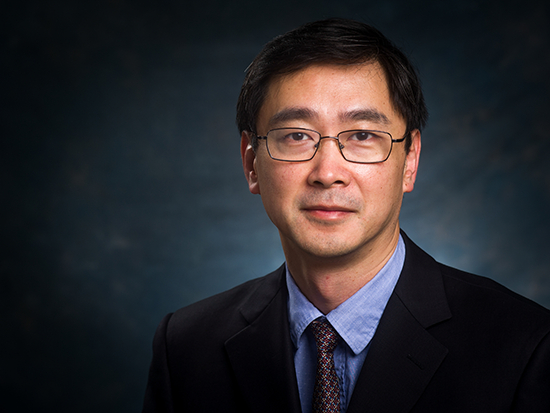
With this collaborative effort, the profile of UAB within biomedical data science and future data-driven medicine will be significantly raised on a national stage.
Finding a home away from home: Pakistani American’s trailblazing journey of immigration, US citizenship, service and excellence is a legacy to behold
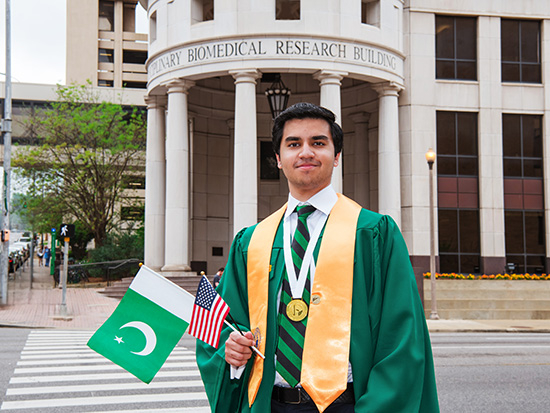
Muhammad Ali Abdullah is graduating with two degrees, profound research and clinical experience, and memories to cherish for a lifetime; he will be returning to UAB this July as a medical student.
Spring commencement at UAB will be April 26-27

This semester, at least 2,963 students are eligible to graduate, and more than 1,871 students are expected to walk in the three ceremonies in Bartow Arena.
UAB joins study to slow bleeding in the brain
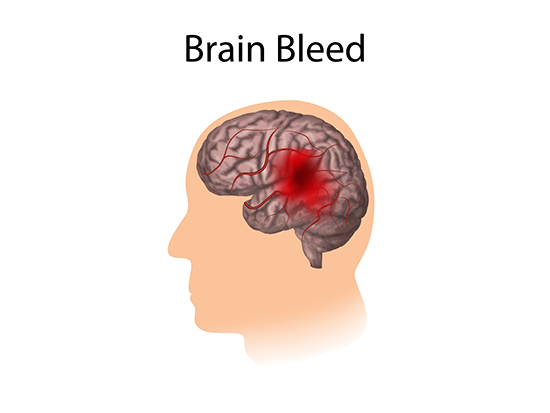
The study will examine a protein that may help slow bleeding in the brain when given within a two-hour window following the first signs of hemorrhage.